
Commercial well pumps are incredibly important for delivering consistent water to facilities like farms, manufacturing sites, and multi-building campuses. That’s also why when something goes wrong, downtime becomes costly very quickly. Here are four common problems that occur with well pumps and what you can do before calling in the pros.
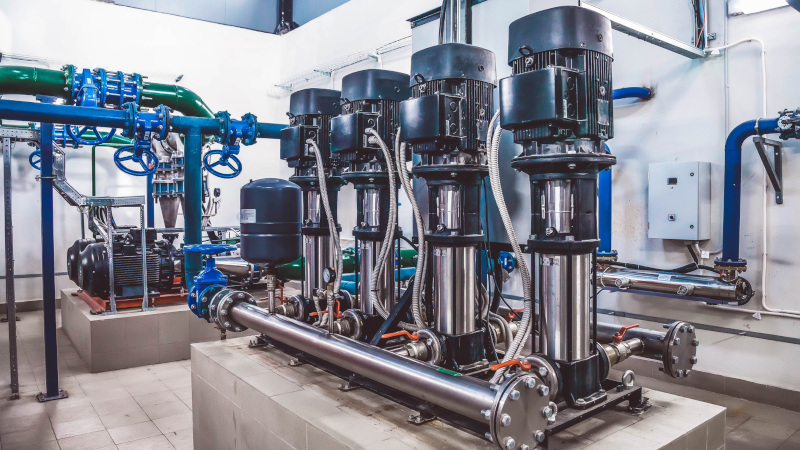
- Low Water Pressure: If pressure has dropped across your site, it is often caused by clogs in the intake screens or filters, worn impellers, or a failing pressure tank. Check the filters and pressure gauges, then inspect for sediment buildup. If low pressure persists, this is usually a sign that the internal pump is wearing out.
- Short Cycling: If the pump turns on and off frequently, this strains the motors and increases your energy costs. This is typically caused by waterlogged pressure tanks, incorrect pressure switch settings, or leaks in the distribution line. Test the pressure tank’s air charge and inspect for leaks.
- Loss of Prime or Air in the Lines: Priming issues can occur from dropping water levels or faulty foot valves. Check suction fittings and gaskets for tight seals and confirm that water levels are sufficient.
- No Water Being Delivered: If the pump is running but there is no water flowing, this can be due to a blocked intake, collapsed piping, or a failed impeller. Check for obstructions, and if there are none, there may be internal damage that can be identified through an inspection.
Well pumps benefit highly from a maintenance schedule that ensures regular checks and professional servicing. Baseline metrics make it simple to spot trouble quickly and prevent small issues from becoming a larger outage.