
Electric and gas appliances come with their own advantages and trade-offs, which affect energy efficiency and cooking performance. Understanding these differences will help you make an informed choice for your home that fits your lifestyle and budget.
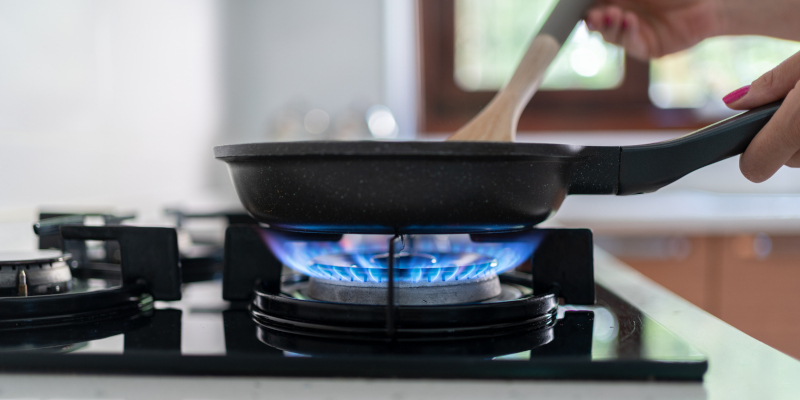
Here is what you should know about electric versus gas appliances:
- Energy Efficiency: Electric appliances generally heat more efficiently, but electricity rates are often higher than natural gas, which makes gas appliances more cost-effective over time. It’s worth comparing the local energy rates and appliance efficiency ratings when making your choice.
- Performance and Convenience: Gas appliances offer immediate heat with precise temperature control, which makes them popular for serious home cooks. Electric ranges provide even heating with consistent temperatures, which is helpful for bakers.
- Reliability: Gas appliances can typically operate even during an electrical outage, which can be a major advantage in areas that are prone to storms. Electric appliances, on the other hand, have fewer moving parts and don’t rely on gas lines or pilot lights, which can make them easier to maintain.
- Longevity: Since gas appliances have fewer electronic components, they tend to be more durable and longer-lasting with proper maintenance. The burners, valves, and metal components can also withstand heavy use, which makes them great for busy households.
Choosing between electric and gas appliances comes down to your priorities, whether it’s efficiency, cost, or long-term reliability. Gas offers quick heat with lower operating costs while electric provides consistent performance with simpler maintenance. Understanding the differences will help you choose appliances that best suit your home, lifestyle, and budget.